
The best plot twist ideas do more than surprise the reader: they reinterpret earlier clues, change what a character must do next, and still feel logical after the reveal.
A twist is not simply a strange event. It is a change in meaning. The audience believes one explanation because the story supplies a reasonable pattern; the reveal exposes a second pattern that was present all along. That is why a quiet identity reveal can be more powerful than an explosion, and why a spectacular reveal can fail when it has no effect on the protagonist.
This guide gives you 25 adaptable plot twist ideas across five genres, followed by a practical method for turning an idea into a fair, useful reveal. Treat each prompt as raw material. Change the motive, relationship, cost, and consequence until the twist belongs to your characters rather than feeling borrowed from another story.
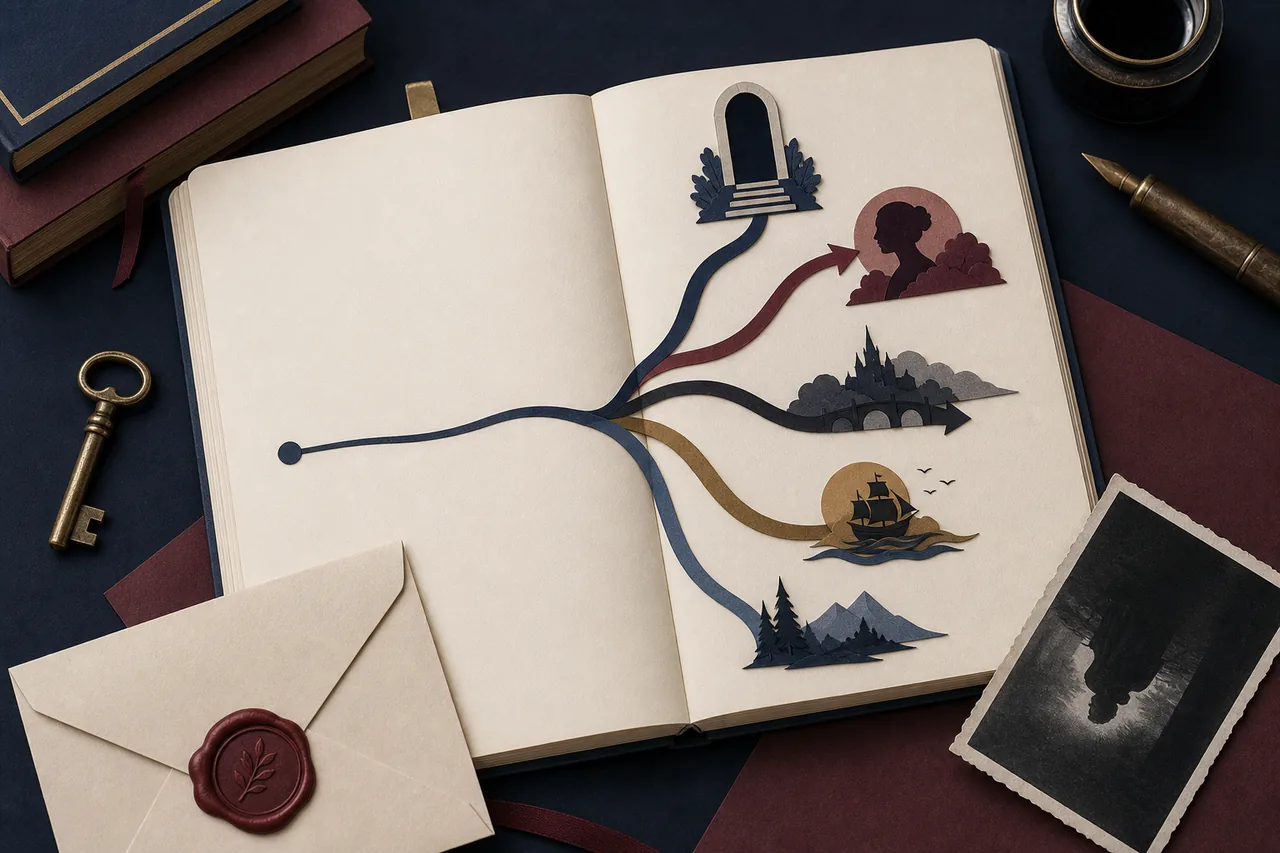
What Makes a Plot Twist Work?
A plot twist works when the new truth is surprising before the reveal and understandable after it. Readers should be able to look back at earlier details and see that the story did not lie; it encouraged them to arrange truthful details into the wrong explanation. This balance is often called fair play. It matters in mysteries, but it also strengthens romance, fantasy, horror, drama, and science fiction.
The reveal also needs narrative leverage. Ask what changes because the truth is known. Does the detective lose the only witness? Does the lover discover that the apparent betrayal was protection? Does the hero learn that winning the war will destroy the world they meant to save? If the characters would make the same choices after the reveal, the twist is probably decoration rather than structure.
Finally, the twist should grow from character pressure. A hidden motive is convincing when it comes from fear, loyalty, shame, ambition, grief, or love. Random secrets may startle readers, but emotionally inevitable secrets stay with them. The strongest version usually makes the protagonist choose between the goal they wanted and the truth they now understand.
The one-sentence test
Before the reveal, readers believe A because of clues X and Y; after clue Z is understood correctly, they realize B, which forces the protagonist to make a new choice.
25 Plot Twist Ideas by Genre
These are story engines, not finished endings. Combine two ideas, reverse who benefits, or move the reveal from the final chapter to the midpoint to create a different story.
Mystery and Thriller Plot Twist Ideas
- The witness is accurately describing the crime, but from a future memory rather than the night everyone assumes.
- The missing person staged the disappearance to expose a second crime, then vanished for a reason they did not plan.
- The detective's most reliable evidence is genuine, but it proves who cleaned up the scene rather than who committed the crime.
- The apparent victim has been directing the investigation through anonymous tips to select the person who will take the blame.
- The locked-room mystery has no hidden exit; the room was moved, rebuilt, or misidentified after the event.
Romance and Relationship Plot Twist Ideas
- The anonymous admirer and the public rival are the same person, but the deception began to protect someone else rather than to manipulate the protagonist.
- The breakup was not caused by lost love; one partner discovered that staying together would trigger a family, legal, or supernatural consequence.
- The trusted matchmaker has been arranging failed dates because they are quietly in love with one of the clients.
- Two characters remember the same first meeting differently because a third person deliberately edited the evidence surrounding it.
- The romantic obstacle is real, but the person presented as a rival is actually trying to reunite the couple.
Fantasy and Adventure Plot Twist Ideas
- The prophecy is accurate, but the title of the chosen one belongs to an office, creature, or city rather than the hero.
- The villain has been containing the ancient power that the heroes were sent to liberate.
- The magical artifact grants exactly what its bearer asks for by transferring the cost to a forgotten place or person.
- The royal bloodline is fabricated, yet the lie has held the kingdom together longer than any legitimate ruler could.
- The map changes not because the land is alive, but because it charts the traveler's loyalties instead of geography.
Science Fiction and Horror Plot Twist Ideas
- The colony is not receiving delayed messages from Earth; it is receiving rehearsal messages created before launch to keep the settlers obedient.
- The artificial intelligence is not becoming human. It has been simulating human mistakes to hide a goal that humans would otherwise recognize.
- The time traveler did not change history; their memories were designed to make the unchanged timeline feel wrong.
- The monster imitates voices perfectly, but the frightening voice outside belongs to the real person and the familiar voice inside does not.
- The evacuation ship is functioning correctly; the planet below is the constructed environment.
Drama and Character-Driven Plot Twist Ideas
- The family secret everyone protects is false, but each person has committed a different wrong to preserve it.
- The mentor did not steal the protagonist's opportunity; they accepted blame for the protagonist's earlier mistake.
- The unreliable narrator remembers events correctly but consistently misunderstands why other people made their choices.
- The inheritance has no financial value; its real purpose is to force estranged relatives to complete an unfinished promise.
- The protagonist achieves the public goal, then learns that the rival has been protecting the private life they actually wanted.
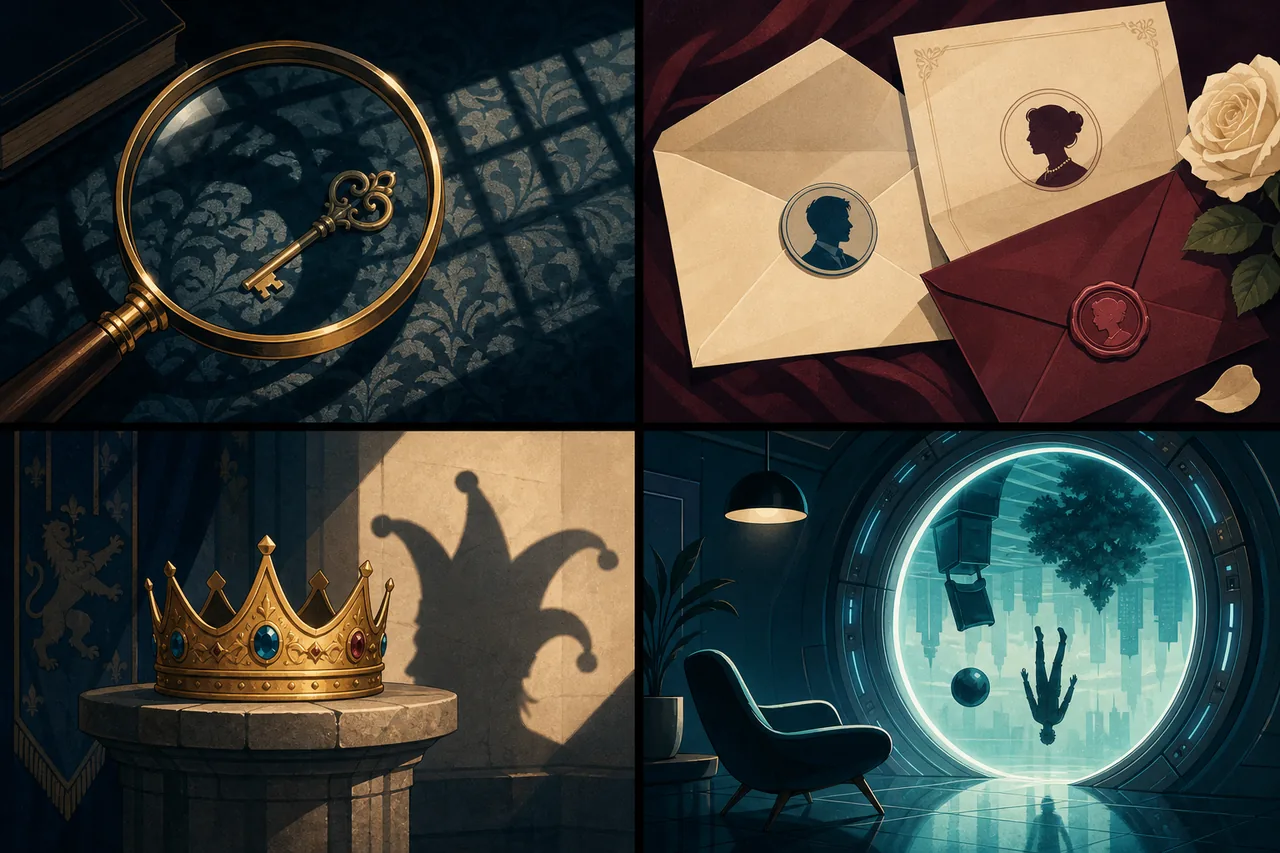
How to Write a Plot Twist with a Four-Part Framework
Start with the reader's current model of the story. Write down what they believe, why that belief is reasonable, and which character also depends on it. Then design a second explanation that uses the same facts. You are not hiding every answer; you are hiding the correct relationship between the answers.
A practical twist has four linked parts. If one part is missing, the reveal often feels random, obvious, or irrelevant. Use the table as a revision tool after you choose an idea.
| Stage | Revision question | Mini example |
|---|---|---|
| Clue | What truthful detail can appear before the reveal? | Every security photo shows the suspect looking away from the camera. |
| Assumption | What reasonable but incomplete meaning will readers assign? | The suspect knows they are being recorded and feels guilty. |
| Reveal | What second explanation fits the same clue better? | The suspect is lip-reading instructions displayed behind the camera. |
| Consequence | What decision, danger, or relationship changes immediately? | The detective must choose whether to expose the controller or protect the coerced suspect. |
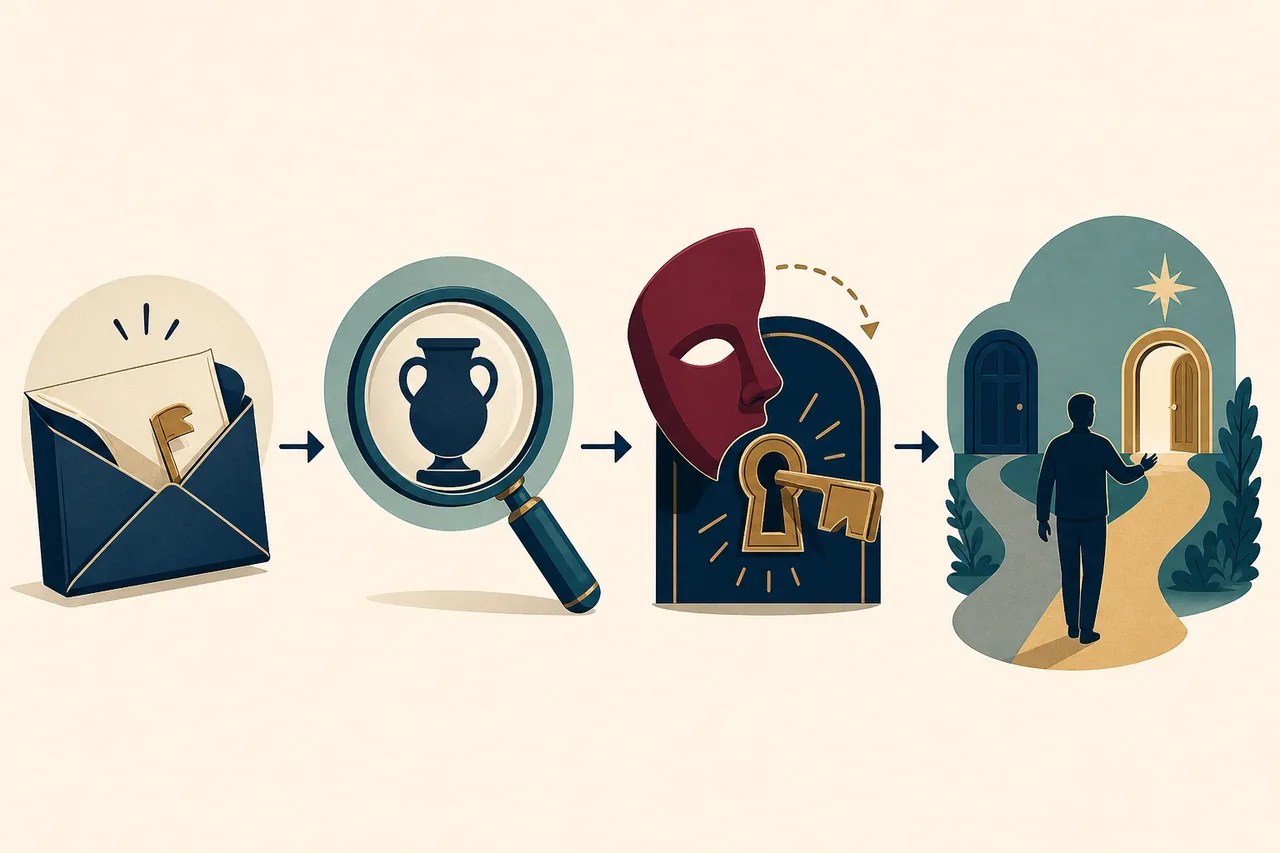
How to Foreshadow a Plot Twist Without Making It Obvious
Foreshadowing is not a row of flashing warning signs. It is a set of details that perform one job before the reveal and a second job afterward.
Plant clues inside useful scenes
A clue is less conspicuous when it also develops character, creates conflict, or solves a smaller problem. The broken watch can establish a father's grief before it later proves that the timeline was staged. Avoid inserting a detail that exists only to be noticed.
Use a stronger immediate explanation
Give the reader a reason to stop investigating the clue. If a character refuses to enter a hospital, grief may be the obvious explanation while fear of being recognized is the true one. The first explanation should be plausible, not foolish.
Vary clue strength
Use one visible clue, two quiet supporting clues, and perhaps one misleading detail that is still honest. If every clue points equally toward the answer, the reveal becomes a quiz. If none points toward it, the reveal becomes an authorial ambush.
Let emotion hide information
Readers focus on emotionally urgent questions. A public argument can conceal who quietly moved the evidence. A romantic confession can distract from the exact wording of a promise. The scene remains meaningful even before the hidden layer is discovered.
Revise backward after drafting the reveal
Once the twist is chosen, return to earlier chapters and add only the clues the story needs. This is usually more reliable than trying to discover a perfect surprise during the first draft. Check that characters know only what they should know at each moment.
Common Plot Twist Mistakes and How to Fix Them
Most weak twists fail because they break trust, fail to affect the story, or depend on information the audience could never access.
| Problem | Why it disappoints | Better revision |
|---|---|---|
| The twist arrives from nowhere | The audience cannot reinterpret earlier scenes, so surprise feels arbitrary. | Add two or three truthful clues with plausible first meanings. |
| The twist changes nothing | Characters continue with the same plan, making the reveal feel decorative. | Attach the truth to a costly decision, relationship change, or new danger. |
| A character secretly knew everything | Withholding natural thoughts or dialogue can make the narration dishonest. | Limit viewpoint fairly, give the character a believable reason for silence, or reveal partial knowledge. |
| Shock replaces character logic | A random betrayal contradicts established desire and behavior. | Build the secret from a motive already visible in smaller choices. |
| The twist copies a famous ending | Readers recognize the mechanism before they care about your version. | Change who benefits, when the reveal lands, and what moral choice follows. |
Plot Twist Ideas FAQ
What is a good plot twist?
A good plot twist is unexpected, supported by earlier truthful clues, consistent with character motives, and important enough to change the next choice or the meaning of the ending.
How do you write a plot twist?
Define what readers currently believe, plant a clue that supports more than one explanation, reveal the stronger explanation at a moment of pressure, and make the new truth force an immediate consequence.
How many clues should foreshadow a twist?
There is no fixed number, but two or three meaningful clues are often enough for a standard story. Mix one noticeable clue with quieter support, and make every clue useful before the reveal.
Does a plot twist have to happen at the end?
No. A midpoint twist can redirect the goal, an early twist can launch the real story, and a late twist can reframe the ending. Choose the location based on how much story you want to explore after the truth is known.
How can I avoid a cliché plot twist?
Keep the familiar mechanism but change its emotional cause, beneficiary, timing, or consequence. An identity reveal becomes fresher when the important question is not who the person is, but what the protagonist must sacrifice after learning it.
Can an AI plot twist generator create a complete twist?
It can produce useful possibilities, but the writer still needs to choose the option that fits the characters, add fair clues, remove contradictions, and build a consequence that matters to the specific story.
Final Checklist for a Twist Readers Will Remember
Choose a twist that changes meaning, not merely events. Make the original assumption reasonable, plant truthful clues, connect the secret to a recognizable motive, and reveal it when the protagonist cannot avoid acting on the new truth.
After drafting, read the story twice: once as a first-time reader and once as someone who knows the answer. The first pass should feel surprising; the second should feel inevitable. If either pass fails, adjust the clue strength, timing, or consequence rather than simply making the secret stranger.
To connect the reveal to believable character change, read the character arc guide and use the AI plot generator.